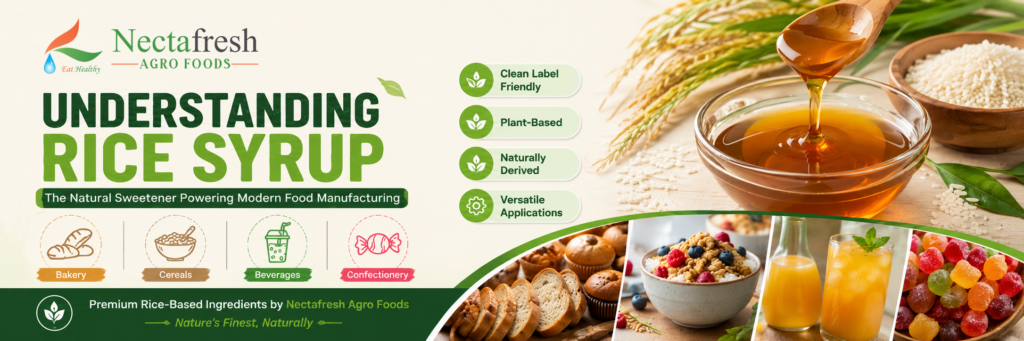
Understanding Rice Syrup and Its Industrial Applications

As consumer preferences shift toward natural sweeteners and clean-label ingredients, rice syrup has emerged as a valuable ingredient across the food and beverage industry. Known for its mild sweetness, smooth texture, and versatile functionality, rice syrup is widely used by manufacturers looking to improve product quality while meeting modern consumer expectations.

From bakery products to beverages and confectionery applications, rice syrup offers a reliable and effective solution for a wide range of food formulations.

What Is Rice Syrup?

Rice syrup, also known as rice malt syrup, is a natural sweetener produced by breaking down rice starch into simpler sugars through enzymatic processing. The result is a thick, amber-colored liquid with a mild, pleasant sweetness and excellent binding properties.

Rice syrup is valued for its:

  • Smooth texture
  • Mild flavor profile
  • Natural sweetness
  • Excellent moisture retention
  • Clean-label appeal
  • Plant-based origin

These characteristics make it a preferred ingredient in many food manufacturing applications.

Why Food Manufacturers Choose Rice Syrup

Rice syrup provides more than just sweetness. It offers several functional benefits that help improve product quality and processing efficiency.

Consistent Texture

Rice syrup contributes to smooth textures and improved mouthfeel in finished products.

Moisture Management

It helps retain moisture, extending freshness and shelf life in baked goods and cereals.

Natural Sweetening

Manufacturers can reduce reliance on refined sugars while maintaining desirable taste profiles.

Clean Label Compatibility

Rice syrup aligns well with growing consumer demand for recognizable and naturally derived ingredients.

Plant-Based Formulation

As a rice-derived ingredient, it supports vegan, vegetarian, and plant-based product development.

Industrial Applications of Rice Syrup

1. Bakery Applications

The bakery industry extensively uses rice syrup for its sweetening and functional properties.

Rice syrup helps:

  • Improve softness and texture
  • Enhance moisture retention
  • Extend product freshness
  • Improve browning during baking
  • Maintain product consistency

Common bakery applications include:

  • Bread
  • Cookies
  • Cakes
  • Muffins
  • Granola bars
  • Breakfast pastries

Its mild sweetness allows manufacturers to balance flavor while achieving desired texture characteristics.

2. Cereals and Breakfast Products

Rice syrup serves as an effective binding and sweetening agent in cereal manufacturing.

Benefits include:

  • Better ingredient binding
  • Improved crunch retention
  • Uniform coating of cereal pieces
  • Enhanced shelf stability
  • Controlled sweetness

Applications include:

  • Breakfast cereals
  • Granola
  • Muesli
  • Protein bars
  • Nutrition bars
  • Snack clusters

The ingredient’s viscosity makes it particularly effective for binding grains, nuts, and seeds together.

3. Beverage Applications

The beverage industry increasingly utilizes rice syrup as a natural sweetening solution.

Advantages include:

  • Smooth sweetness profile
  • Easy incorporation into formulations
  • Stable performance during processing
  • Clean flavor without overpowering other ingredients

Typical applications include:

  • Functional beverages
  • Energy drinks
  • Plant-based beverages
  • Nutritional drinks
  • Smoothies
  • Ready-to-drink products

Rice syrup helps manufacturers create naturally sweetened beverages that appeal to health-conscious consumers.

4. Confectionery Applications

Rice syrup is widely used in confectionery production because of its ability to control crystallization and improve texture.

Benefits include:

  • Enhanced chewiness
  • Improved product stability
  • Better texture control
  • Reduced sugar crystallization
  • Attractive gloss and appearance

Common confectionery applications include:

  • Gummies
  • Chewy candies
  • Caramels
  • Fruit snacks
  • Energy chews
  • Nutritional confectionery products

Its functional properties help manufacturers achieve consistent quality while maintaining product appeal.

Rice Syrup and Clean Label Innovation

The global food industry is increasingly focused on clean-label product development. Consumers are actively seeking products made with simple, recognizable ingredients and fewer artificial additives.

Rice syrup supports these trends by offering:

  • Naturally derived sweetening
  • Plant-based sourcing
  • Consumer-friendly labeling
  • Versatile formulation capabilities

As manufacturers continue developing healthier and more transparent food products, rice syrup is becoming an essential ingredient in modern formulations.

The Future of Rice Syrup in Food Manufacturing

The demand for natural sweeteners and clean-label ingredients is expected to continue growing across global markets. Rice syrup offers an ideal balance of functionality, sweetness, and consumer appeal, making it a valuable ingredient for future-focused food manufacturers.

Whether used in bakery products, cereals, beverages, or confectionery applications, rice syrup provides reliable performance while helping brands meet evolving market demands.

Looking for High-Quality Rice Syrup Solutions?

At Nectafresh Agro Foods, we provide premium-quality rice syrup solutions designed to meet the needs of modern food manufacturers. Our products deliver consistent quality, functionality, and clean-label appeal across a wide range of industrial applications.
Partner with Nectafresh Agro Foods to develop innovative food products powered by high-quality rice-based ingredients.

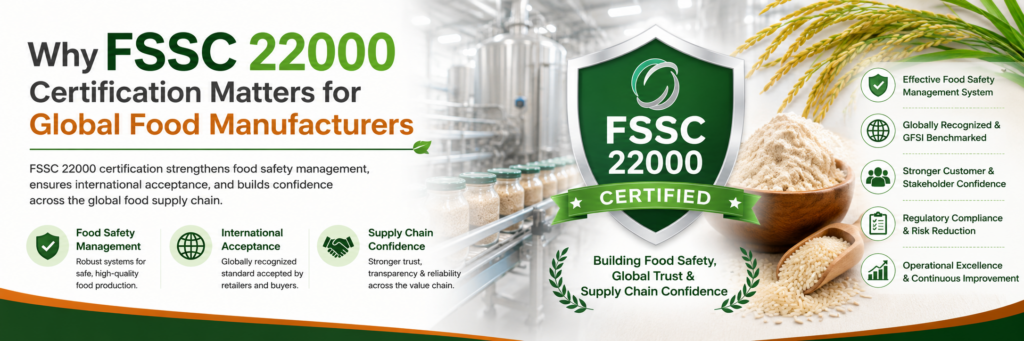
Why FSSC 22000 Certification Matters for Global Food Manufacturers

In today’s highly competitive food industry, quality and safety are no longer optional—they are essential. Consumers, retailers, and regulatory authorities expect food manufacturers to maintain the highest standards of food safety throughout the production process. This is where FSSC 22000 Certification plays a critical role.

Recognized globally, FSSC 22000 is one of the most respected food safety management certifications, helping manufacturers demonstrate their commitment to producing safe, high-quality food products while meeting international market requirements.

What is FSSC 22000?

FSSC 22000 (Food Safety System Certification 22000) is a globally recognized food safety management certification scheme based on ISO standards. It provides a comprehensive framework for identifying, controlling, and preventing food safety hazards across the entire food production chain.

The certification is designed for organizations involved in food manufacturing, ingredient production, packaging, storage, transportation, and related sectors.

Strengthening Food Safety Management

Food safety incidents can have serious consequences for both consumers and businesses. FSSC 22000 helps manufacturers establish a robust Food Safety Management System (FSMS) that ensures potential risks are identified and controlled before they become problems.

Key benefits include:

  • Systematic hazard analysis and risk assessment
  • Improved food safety controls and monitoring
  • Compliance with international food safety regulations
  • Enhanced product quality and consistency
  • Continuous improvement of food safety practices

By implementing FSSC 22000 standards, food manufacturers can reduce risks, improve operational efficiency, and build a strong culture of food safety throughout their organization.

International Acceptance and Market Access

One of the biggest advantages of FSSC 22000 certification is its global recognition. The certification is benchmarked by the Global Food Safety Initiative (GFSI), making it widely accepted by major retailers, food brands, and international buyers worldwide.

For manufacturers looking to expand into global markets, FSSC 22000 provides:

  • Greater credibility with international customers
  • Easier access to export markets
  • Improved compliance with customer requirements
  • Reduced need for multiple food safety audits
  • Stronger competitive advantage in global supply chains

Many multinational food companies prefer working with certified suppliers because it demonstrates a commitment to internationally recognized food safety standards.

Building Confidence Across the Supply Chain

Modern food supply chains are complex, involving multiple suppliers, processors, distributors, and retailers. Trust and transparency are essential for maintaining product integrity throughout this process.

FSSC 22000 certification helps strengthen supply chain confidence by ensuring that food safety controls are implemented at every stage of production and distribution.

Benefits include:

  • Improved supplier and customer confidence
  • Enhanced traceability and transparency
  • Better risk management across the supply chain
  • Stronger relationships with food manufacturers and retailers
  • Increased reliability and consistency in product quality

When customers see FSSC 22000 certification, they know that the manufacturer follows internationally recognized food safety practices and is committed to delivering safe, high-quality products.

Nectafresh’s Commitment to Quality and Food Safety

At Nectafresh Agro Foods, quality, safety, and customer satisfaction remain at the heart of everything we do. Our commitment to internationally recognized food safety standards ensures that our rice-based ingredients, sweeteners, and plant-based solutions consistently meet the expectations of customers worldwide.

Through rigorous quality control processes and continuous improvement initiatives, we strive to deliver products that support the evolving needs of global food manufacturers.

Conclusion

As global food markets continue to evolve, food safety certification has become a key factor in building trust, ensuring compliance, and supporting business growth. FSSC 22000 certification provides a strong foundation for effective food safety management, international market acceptance, and supply chain confidence.

For food manufacturers seeking reliable ingredient partners, working with certified suppliers helps ensure product quality, regulatory compliance, and long-term success in the global marketplace.

Partner with Nectafresh

Looking for high-quality rice-based ingredients, plant proteins, and clean-label solutions backed by a commitment to quality and food safety?

Contact Nectafresh Agro Foods today to learn how our ingredient solutions can support your food manufacturing needs.

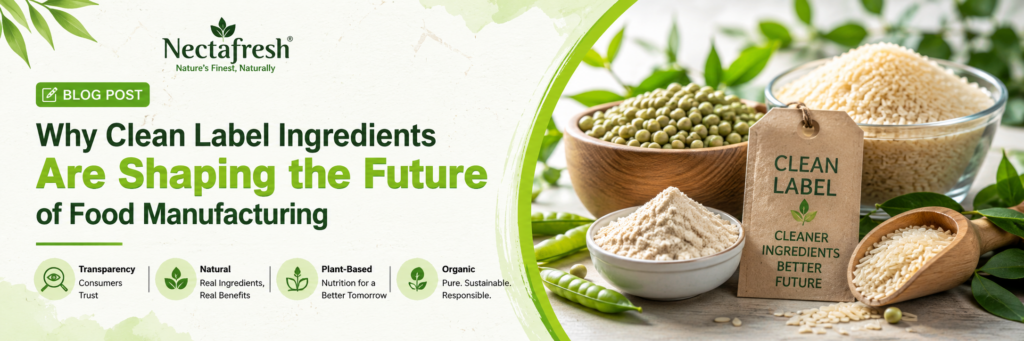
Why Clean Label Ingredients Are Shaping the Future of Food Manufacturing

The food industry is undergoing a major transformation. Today’s consumers are more informed, health-conscious, and selective about the products they purchase than ever before. As a result, food manufacturers are increasingly embracing clean label ingredients to meet evolving consumer expectations and stay competitive in a rapidly changing market.

Clean label is no longer just a trend—it has become a driving force that is shaping the future of food manufacturing worldwide.

What Are Clean Label Ingredients?

Clean label ingredients are food ingredients that are simple, recognizable, minimally processed, and free from artificial additives, preservatives, synthetic colors, and unnecessary chemicals. Consumers prefer ingredient lists they can easily understand and trust.

The clean label movement focuses on transparency, natural sourcing, and nutritional value, helping brands build stronger relationships with health-conscious consumers.

Growing Consumer Demand for Transparency

Modern consumers want to know exactly what goes into their food. They carefully read ingredient labels and seek products that align with their health, wellness, and sustainability goals.

Research consistently shows that shoppers are more likely to purchase products with:

  • Short and simple ingredient lists
  • Natural and recognizable ingredients
  • Clear sourcing information
  • No artificial preservatives or additives
  • Sustainable and ethical production practices

Transparency has become a key factor influencing purchasing decisions. Food manufacturers that provide clear information about their ingredients can build trust and long-term brand loyalty.

The Rising Popularity of Natural Ingredients

Consumers are increasingly moving away from synthetic ingredients and choosing foods made with natural alternatives.

Natural ingredients offer several benefits:

  • Improved consumer perception
  • Better alignment with wellness trends
  • Enhanced brand credibility
  • Greater market appeal across different demographics

Ingredients such as rice protein, pea protein, natural sweeteners, plant-based fibers, and organic food ingredients are becoming essential components in modern food formulations.

For manufacturers, incorporating natural ingredients helps create products that meet clean label expectations while maintaining quality and functionality.

Plant-Based Ingredients: Driving Innovation

The plant-based food sector continues to experience remarkable growth. Consumers are choosing plant-based products for various reasons, including health, environmental sustainability, and ethical considerations.

Plant-based ingredients offer food manufacturers:

Nutritional Benefits

Plant proteins provide valuable nutrition while supporting balanced diets.

Versatile Applications

They can be used in beverages, bakery products, nutritional supplements, snacks, dairy alternatives, and meat alternatives.

Allergen-Friendly Solutions

Many plant-based ingredients serve as excellent alternatives to common allergens such as dairy and soy.

Sustainability Advantages

Plant-derived ingredients generally require fewer natural resources compared to animal-based alternatives, making them attractive to environmentally conscious consumers.

Ingredients like rice protein have emerged as popular choices due to their excellent digestibility, neutral taste, and clean label appeal.

Organic Food Trends Continue to Accelerate

The demand for organic foods continues to grow globally as consumers prioritize health and environmental responsibility.

Organic ingredients are increasingly valued because they are:

  • Produced without synthetic pesticides
  • Free from genetically modified organisms (GMOs)
  • Aligned with sustainable farming practices
  • Associated with higher quality and purity standards

Food manufacturers are responding by incorporating organic ingredients into a wider range of products, from beverages and nutritional supplements to bakery and snack applications.

The combination of organic and clean label positioning provides a powerful advantage in today’s marketplace.

Why Food Manufacturers Should Embrace Clean Label Ingredients

Companies that adopt clean label strategies can benefit from:

Increased Consumer Trust

Transparent ingredient lists help build confidence among customers.

Stronger Brand Differentiation

Clean label products stand out in crowded markets.

Better Market Access

Many retailers and distributors actively seek products that meet clean label standards.

Long-Term Growth Opportunities

As consumer awareness continues to increase, demand for clean label products is expected to grow across all food categories.

Manufacturers that invest in clean label innovation today will be better positioned to meet future market demands.

The Future of Food Manufacturing Is Clean

Clean label ingredients are no longer a niche preference—they have become a mainstream expectation. Consumers want transparency, natural ingredients, plant-based nutrition, and organic food options that support healthier lifestyles.

For food manufacturers, embracing clean label solutions is not just about meeting current demand; it’s about preparing for the future of the food industry.

By choosing high-quality, natural, plant-based, and organic ingredients, manufacturers can create products that resonate with modern consumers while building sustainable business growth.

Is Your Business Ready for the Clean Label Revolution?

Partner with Nectafresh Agro Foods to source premium-quality clean label ingredients, including rice protein, plant-based proteins, organic food ingredients, and other innovative solutions for modern food manufacturing.

Contact Nectafresh today to discover how our ingredient solutions can help your products meet the growing demand for clean, transparent, and consumer-friendly food formulations.

SEO Meta Title:
Why Clean Label Ingredients Are Shaping the Future of Food Manufacturing

Meta Description:
Discover how clean label ingredients, natural products, plant-based proteins, and organic food trends are transforming food manufacturing and driving consumer demand for transparency.

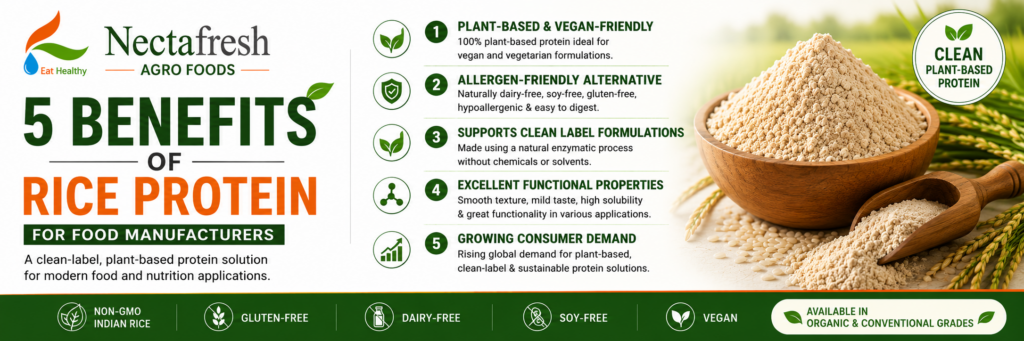
5 Benefits of Rice Protein for Food Manufacturers

As consumer preferences continue to evolve, food manufacturers are increasingly seeking ingredients that align with clean-label trends, plant-based nutrition, and allergen-friendly formulations.

Rice Protein has emerged as one of the most versatile and reliable protein sources for modern food applications.

At Nectafresh Agro Foods, our Rice Protein Powder is produced from high-quality Non-GMO Indian rice sourced from the Himalayan region of Uttarakhand. Using a gentle enzymatic process without solvents or chemicals, it delivers a clean-label protein solution suitable for a wide range of food and nutrition applications.


1. Plant-Based and Vegan-Friendly

The global shift toward plant-based diets has created significant opportunities for food manufacturers.

Rice Protein is a 100% plant-based ingredient that supports vegan and vegetarian product development while meeting consumer demand for sustainable nutrition solutions.

Applications

✔ Plant-Based Beverages

✔ Vegan Protein Powders

✔ Dairy Alternatives

✔ Functional Foods

✔ Meal Replacement Products


2. Allergen-Friendly Alternative

Unlike many conventional protein sources, Rice Protein is naturally free from major allergens.

Nectafresh Rice Protein is:

✔ Dairy-Free

✔ Soy-Free

✔ Gluten-Free

✔ Hypoallergenic

✔ Easy to Digest

This makes it an ideal solution for manufacturers developing products for consumers with dietary sensitivities.


3. Supports Clean Label Formulations

Modern consumers actively seek products with simple and recognizable ingredients.

Produced through a natural enzymatic process without chemical solvents, Rice Protein supports clean-label product development while maintaining product performance and nutritional value.

Clean Label Benefits

✔ Natural Ingredient Source

✔ No Solvents or Chemicals

✔ Transparent Formulation

✔ Consumer-Friendly Positioning


4. Excellent Functional Properties

Beyond nutrition, Rice Protein provides valuable functionality across various food applications.

Nectafresh Rice Protein offers:

✔ Smooth Texture

✔ Mild Taste

✔ High Solubility

✔ Formulation Flexibility

✔ Excellent Plant-Based Protein Source

These characteristics help manufacturers improve texture, stability, and overall product quality.

Common Applications

🍫 Protein & Energy Bars

🥤 Nutritional Beverages

💪 Health & Fitness Supplements

🍪 Bakery Products

🥣 Meal Replacement Powders


5. Growing Consumer Demand

Consumer interest in plant-based nutrition continues to rise across global markets.

Food manufacturers are increasingly incorporating Rice Protein into product formulations to meet demand for:

✔ Plant-Based Nutrition

✔ Sports Nutrition

✔ Functional Foods

✔ Clean Label Products

✔ Sustainable Ingredients

Rice Protein enables manufacturers to stay ahead of evolving market trends while offering a trusted protein source to consumers.


Why Choose Nectafresh Rice Protein?

🌾 Produced from Non-GMO Indian Rice

📍 Sourced from Uttarakhand, India

🌱 Vegan & Plant-Based

🚫 Dairy-Free, Soy-Free & Gluten-Free

⚡ High Solubility & Smooth Texture

🌿 Available in Organic & Conventional Grades


Conclusion

Rice Protein is more than just a plant-based ingredient—it is a strategic solution for food manufacturers seeking clean-label, allergen-friendly, and sustainable protein options.

Its excellent functionality, nutritional benefits, and growing consumer demand make it an ideal ingredient for modern food and beverage applications.

At Nectafresh Agro Foods, we provide high-quality Rice Protein solutions available in both Organic and Conventional grades to support innovative product development across global markets.